Tangible Dividends for the Saint-Setiers Ecosystem
As a non-profit association serving the public interest, AMICALE PROPRIETAIRES ST SETIERS EST tracks its conservation results using rigorous field metrics. Our annual reports submitted to the Mairie and the Departmental Directorate of Territories substantiate the real-world impact of our volunteer efforts.
Contiguous private and communal lands committed to non-fragmented ecological management, eliminating artificial fences that obstruct natural wildlife transit across the plateau.
Continuously cleared rural footpaths and emergency access lanes, preventing wildfire spread and enabling hikers, emergency responders, and families to navigate safely.
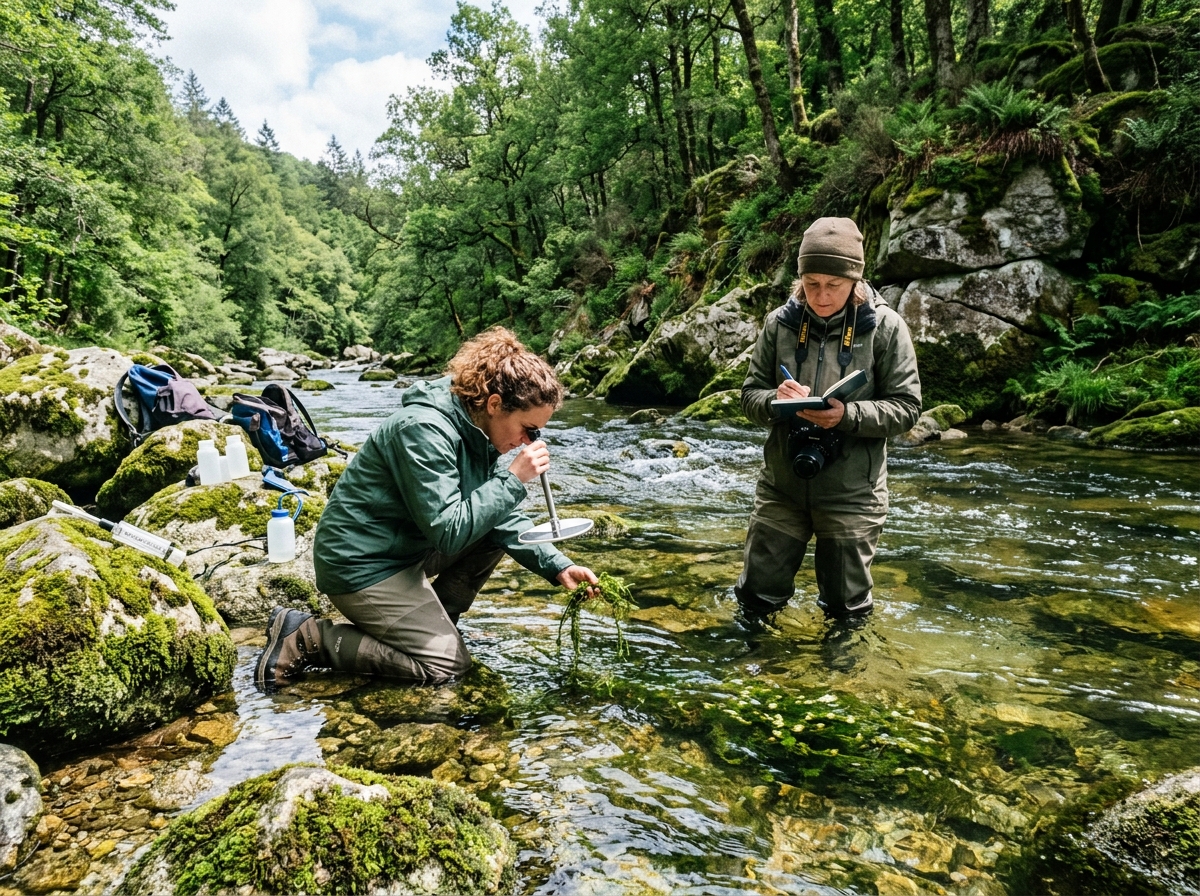
Highland peat-fed streams subjected to regular water temperature, biological clarity, and macro-invertebrate testing, maintaining pristine aquatic environments.
Preventing Ecological Damage While Protecting Biodiversity
On the high plateaus of Corrèze, wild ungulate populations such as roe deer (chevreuil) and wild boar (sanglier) multiply rapidly in the absence of apex predators. Without responsible population management, overabundant wild boars overturn high-altitude hay pastures and destroy sensitive peat bog vegetation, causing tens of thousands of euros in damages to modest family farms. Simultaneously, browsing roe deer devour the apical shoots of young oak, beech, and fir saplings, paralyzing natural forest regeneration.
AMICALE PROPRIETAIRES ST SETIERS EST coordinates scientific population censuses alongside departmental wildlife biologists. By strictly adhering to prefectural harvest plans (plans de chasse), our traditional sports members regulate herd sizes to match the biological carrying capacity of the land. Over the last five seasons, verified agricultural damage claims filed by local farmers in eastern Saint-Setiers have decreased by 62%, preserving farming viability while maintaining a vibrant, healthy wild animal population.
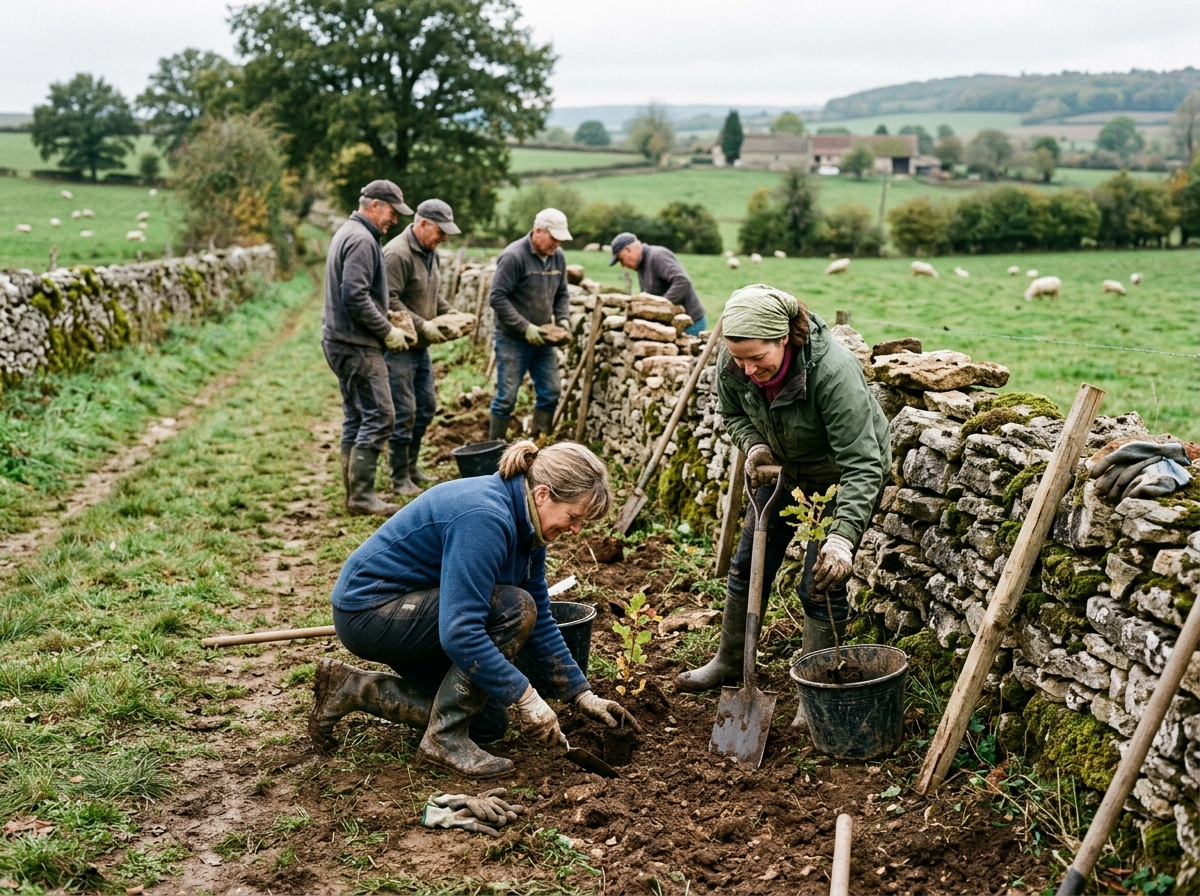
Concurrently, our association has planted over three kilometers of native shrub hedgerows and built thirty-five specialized nesting shelters for rare woodland raptors and owls, directly expanding the habitat footprint for non-game wildlife.
Safeguarding Fragile Peatland Hydrology
The peat bogs (tourbières) of the Plateau de Millevaches are ancient ecological treasures. Accumulated over thousands of years, these saturated moss beds store vast reserves of atmospheric carbon and act as natural water purification filters for millions of downstream consumers throughout Nouvelle-Aquitaine.
Our association's wetland conservation division monitors twelve designated peat pockets across eastern Saint-Setiers. By voluntarily redirecting foot traffic away from vulnerable sphagnum moss carpets and clearing invasive pine scrub that accelerates wetland desiccation, our volunteer teams have preserved over eighty hectares of prime peat biotope.
Quarterly biological indicators—including the presence of the brown trout (Salmo trutta fario), native river crayfish, and sensitive dragonfly species like the Southern Damselfly—confirm that water quality across our monitored sectors remains at the highest ecological grading ("Très Bon État Écologique").
Testimonies from Saint-Setiers Landowners & Partners
Authentic statements from local farmers, forestry owners, and municipal officials who collaborate daily with AMICALE PROPRIETAIRES ST SETIERS EST.
"As a livestock breeder in Saint-Setiers with cattle grazing along forest borders, unmanaged wild boar populations were previously devastating my spring pastures. Through the coordinated stewardship and disciplined wildlife balance managed by the Amicale, crop destruction on our eastern fields has dropped dramatically. Their volunteer brigades also help repair damaged fences without charging a cent. That is true rural solidarity."
— Bernard L., Agricultural Landowner & Beef Cattle Farmer, Saint-Setiers
"Managing private family woodland on the plateau is challenging when living partly outside the commune. Enrolling my pine and oak parcels into the Amicale's landowner pact has given me complete confidence. Their team clears storm blowdowns from the trails, watches for beetle outbreaks, and respects our property boundaries scrupulously. All while keeping ancient walking paths open for hikers."
— Marie-Christine V., Private Forestry Titleholder, Eastern Saint-Setiers
Inquire About Our Environmental Data
Our annual ecological reports, wildlife counts, and water testing logs are available for public inspection at the Mairie of Saint-Setiers. Contact our secretariat to request scientific briefings or coordinate academic field visits.
Contact Secretariat